


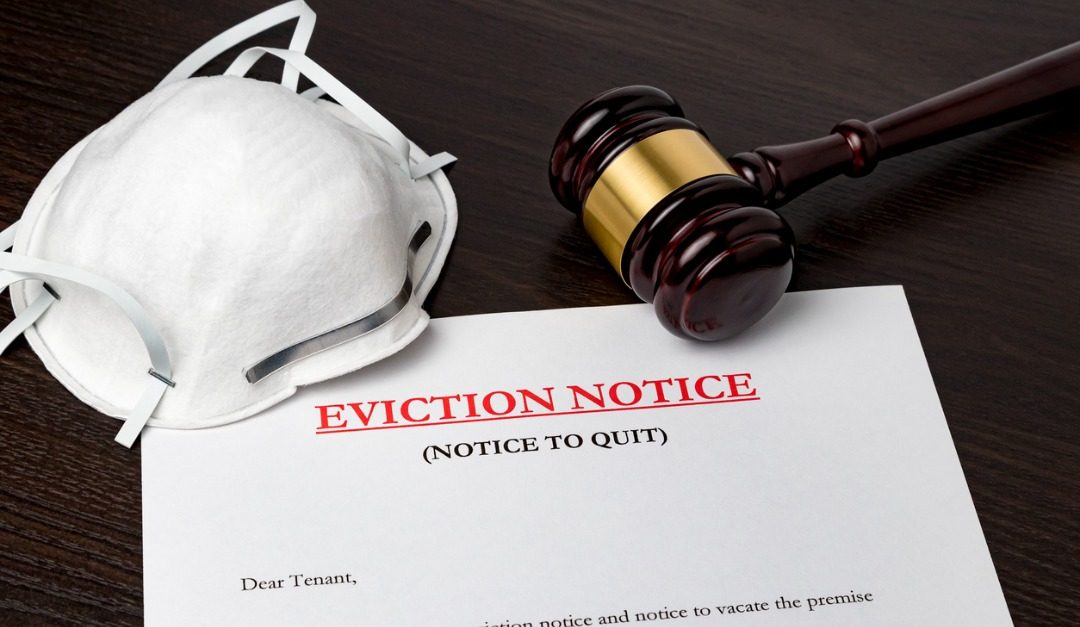


Renter’s nationwide can breathe a sigh of relief for one more month as their pandemic-induced rent relief has been extended by The Centers for Disease Control and Prevention (CDC).
The CDC made the announcement Thurs., June 24, that its federally-backed ban on evictions, which prevents the removal of tenants who cannot make rental payments, won’t be halted just yet. The expiration date—initially set for June 30—was moved to July 31, 2021.
According to the CDC, this is the final extension of the eviction ban.
“The COVID-19 pandemic has presented a historic threat to the nation’s public health. Keeping people in their homes and out of crowded or congregate settings—like homeless shelters—by preventing evictions is a key step in helping to stop the spread of COVID-19,” read a CDC statement.
While the eviction ban has helped alleviate some of the financial distress that tenants have experienced since the outbreak of COVID-19 in 2020, mom-and-pop landlords and property owners nationwide have been shouldering the burden of 15 months without rent payments or assistance during the pandemic.
Experts at the National Association of REALTORS® (NAR) have pushed for the eviction moratorium to be tied to assistance so housing providers could maintain stability in the marketplace amid the rent halt.
The rollout of emergency rental assistance has been rough in several states, straining landlords, according to past statements from NAR. The organization has pushed for government officials to end the eviction bans so the industry can start working on a path forward for all parties involved.
The issue also caught the attention of U.S. District Court Dabney Friedrich, who struck down the CDC’s ban on evictions after claiming the agency overstepped its authority.
However, the motion was quickly stalled by an appeal filed by the U.S. Department of Justice (DOJ). The U.S. Appeals court ultimately ruled in favor of keeping the moratorium intact earlier this month.
In an emailed statement to RISMedia, NAR President Charlie Oppler expressed dismay over the CDC’s moratorium extension, stating the decision is “continuing a broad, overreaching policy that hasn’t been needed on a national level for some time.”
“The real estate industry recently expressed our united opposition to a moratorium extension, which harms small housing providers and threatens stability in the market,” Oppler wrote. “We will continue pushing for reforms to improve deployment of rental assistance, which remains the best solution for all parties.”
Leaders of the National Apartment Association (NAA) echoed the sentiment in a recent statement from the organization’s president and CEO, Bob Pinnegar.
“The National Apartment Association (NAA) remains fundamentally opposed to the U.S. Centers for Disease Control and Prevention’s (CDC) eviction order,” Pinnegar emphasized. “Each passing month further escalates the risk of losing an ever-increasing amount of rental housing, ultimately jeopardizing the availability of safe, sustainable and affordable housing for all Americans.
“Flawed eviction moratoriums leave renters with insurmountable debt and housing providers holding the bag as our nation’s housing affordability crisis spirals into a housing affordability disaster,” Pinnegar added. “The CDC must abide by their promise and allow the moratorium to expire at the end of July.”
According to a Thursday release from the Biden-Harris Administration, the national foreclosure moratorium will follow suit with the CDC’s eviction ban extension. Following the CDC’s decision to extend the eviction moratorium, the Administration announced that it would also extend the federal protections against foreclosures until the end of July.
“The Administration is also taking action to stabilize homeowners and support a return to a more stable housing market, including by extending the foreclosure moratorium for federally-backed mortgages by a final month, until July 31st,” read a White House statement.
Stay tuned to RISMedia for further coverage on the foreclosure moratorium.
Jordan Grice is RISMedia’s associate content editor. Email him your real estate news to jgrice@rismedia.com.


Tenants lease is up on July 31st. He has been there less than a year. The owner wants to move in son. Can I give the tenant a 30 day notice on July 1st and not pay the relocation assistance?
As a Landlord that not getting any help with tenant paying rent & the continue taxes
& late fees added to my properties, how am I suppose to keep my properties? At this time
almost 1 1/2 year later, have not recieved any money from any agency that suppose to be
helping *Landlord*I have not recieved any payment, there should be more concern & on time
information and help for landlord also. It is not fair to always have the tenant best interest
and not also be concern about landlors. Most tenant is getting some kind of assistsance, just
will not pay their rent.
I don’t know why private citizen landlords have to provide free housing to tenants. I had a court order for eviction to start 4/15/20 and Covid was in force. I have received no rent since October 2018 about $70,000 owed. I am a 70 year old semi retired man and my wife is in a special care cardiac unit in very poor health. I try to help my children and grandchildren with their expenses and have a total stranger in my house rent free and probably will lose the house from foreclosure when it opens up. This has been devastating and was money for retirement. It’s not fair at all!
I’m a Property Manager of a single family home of a tenant who works for the US Army and has not paid rent for 2 months. He is not expressing any intentions to pay any future rent. He is in default of other Lease terms as well. The owner would like to just sell the home and get out from under the burden but no one wants to purchase a home occupied by a non-rent paying tenant who we can not get out!! What can we legally do about this situation?
There should be more assistance for landlords. If tenants are exempt from paying rent then the burden is on the landlord to continue making mortgage payments, properly taxes and homeowners insurance on the property while the tenants continue to live in the property rent free. If you own a property and renting in DeKalb County Georgia there is a program that will assist landlords through DeKalb County Government.