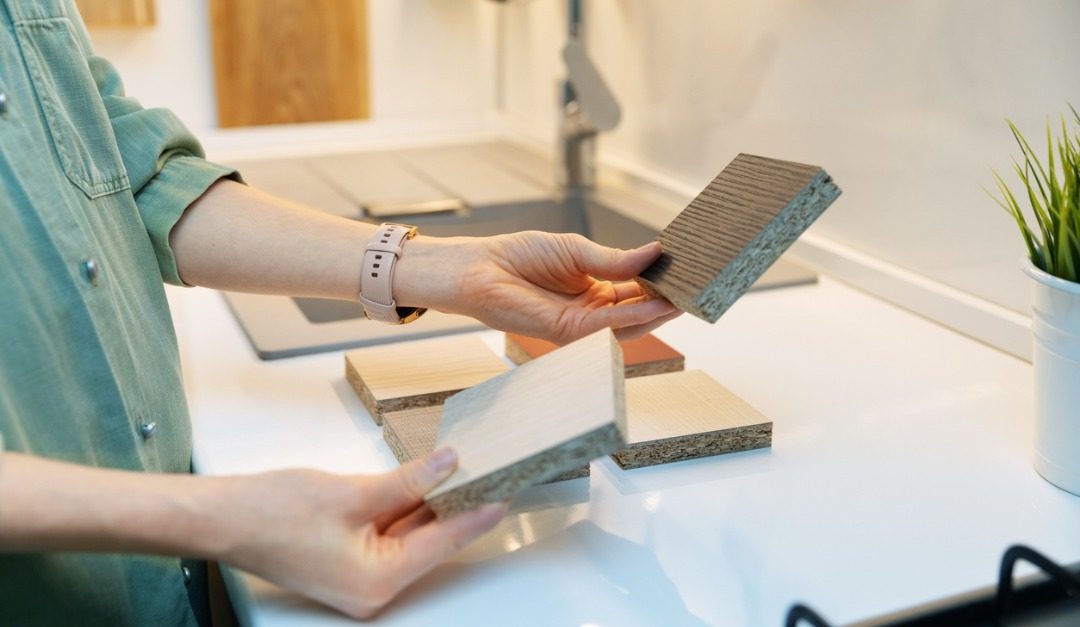


Remodeling your kitchen may involve a few simple changes, or it may mean a complete redesign. When selecting countertops, think about the way you’ll use the kitchen, as well as your total budget for the project.
Pros and Cons of Popular Countertop Materials
If you’re planning to upgrade your kitchen, have a significant amount of money to work with and want to raise your home’s value, granite may be a good choice for your new counters. Granite can resist damage from heat and scratches, but it needs regular sealing to prevent stains.
Quartz is extremely durable, long lasting and easy to maintain. It can resist damage from heat, stains, mold and bacteria.
Marble is a high-end material that’s costly, but it can raise your home’s value. Marble countertops require frequent maintenance, plus they are susceptible to scratches and stains.
Slate is a durable, nonporous material that can resist damage from heat. Slate is easier to maintain and costs less than marble and granite counters.
Concrete is a durable material that requires relatively little maintenance. Concrete can be customized with a variety of colors, patterns and textures. It’s more expensive than some other countertop materials, but less costly than others.
Stainless steel is durable enough to be used in industrial settings and won’t get damaged if you set a hot pot or pan directly on it. Stainless steel can get damaged by cutting, though, and it’s expensive. It may be a good choice for a counter right next to the stove, but not for the entire kitchen.
If you’re on a tight budget, you may want to go with laminate, or Formica. It’s affordable and easy to maintain, but it’s more susceptible to damage than higher-end materials and won’t last as long.
If you want to do some of the remodeling work yourself to save money, you may want to choose ceramic tile for your kitchen countertops. It’s easy to install and durable, but you’ll have to maintain the grout between the tiles. Also, ceramic tile can scratch, crack and chip.
Think About Your Needs, Goals and Priorities
If you want to make your kitchen more functional and keep costs down, you can choose an inexpensive material that will perform well for your new counters. If your objective is to impress visitors and raise your home’s value, you’ll want higher-end countertops.
You don’t necessarily have to use the same material for all the counters in your kitchen. For instance, you may choose a heat-resistant material for the area next to the stove so you’ll be able to set hot pans on it without worrying about damage. For an island where you cut vegetables and do other prep work, you might select a different material that is resistant to scratches and stains.